A reading nook should feel inviting before you open a book. In 2026, the best floor lamps combine focused illumination, visual comfort, efficient technology, and flexible design. The U.S. Department of Energy reports that LED lighting uses at least 75% less energy and can last up to 25 times longer than incandescent lighting. That efficiency matters in a lamp used every evening beside a chair.
Yet brightness alone does not create comfort. The IES Lighting Handbook emphasizes glare control, appropriate task lighting, and balanced illumination for visual environments. A good reading lamp should direct light toward the page without producing harsh reflections on glossy covers or a bright hotspot in your peripheral vision. Look for adjustable heads, stable bases, dimming controls, and a high color-rendering index, preferably CRI 90 or higher. Warm white light around 2700K to 3000K often complements wood, wool, and muted fabrics.
How to create a cozy reading nook with a floor lamp?
Start with placement. Position the lamp slightly behind your reading shoulder, keeping the shade near eye level while seated. A small side table, textured throw, and warm neutral wall can make the corner feel finished. However, personal comfort varies. A lamp that feels relaxing to one reader may seem too dim to another. Test it with your actual book, chair, and evening routine.
Do not ignore the cord.
This guide evaluates the 2026 best floor lamps for a cozy reading nook through practical experience, lighting principles, energy performance, and trustworthy product specifications. No single lamp is perfect. The strongest choice balances atmosphere with clear, comfortable visibility.
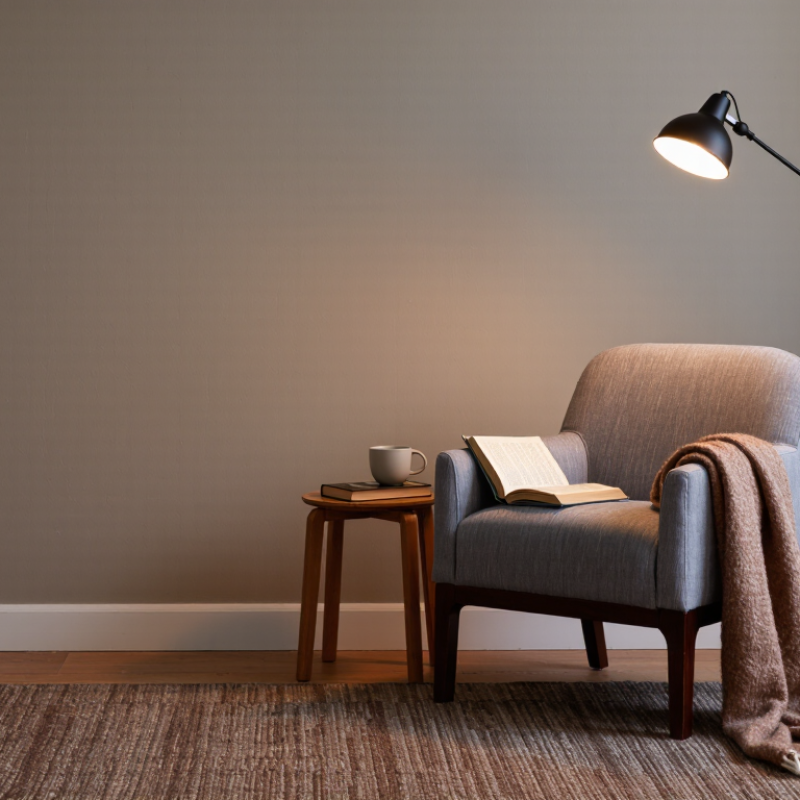
An ideal floor lamp makes reading feel effortless, not theatrical. It should place light beside your shoulder, slightly above eye level, and direct it onto the page. A curved shade can reduce harsh reflections on glossy paper. A weighted base also matters when the lamp stands near a sofa or rug.
Many residential lighting guides informed by Illuminating Engineering Society practice suggest roughly 300–500 lux for reading tasks. That range is useful, but personal comfort varies. Someone with aging eyes may need brighter, more evenly distributed light. Someone reading on a tablet may need less intensity and better glare control. I have found that adjustable brightness helps more than simply choosing the highest lumen output.
Color quality deserves attention. A bulb with a high color-rendering index, preferably 90 or above, keeps printed text and room colors looking natural. Warm-white light near 2700–3000K usually feels calmer at night. The U.S. Department of Energy reports that LED lighting uses at least 75% less energy and lasts up to 25 times longer than incandescent lighting. That supports cooler operation and fewer replacements.
Still, a perfect lamp is unlikely. A dimmer can introduce flicker, and a beautiful shade may block useful light. Check the lamp from your actual chair, not only from a showroom angle. Small details matter.
| Floor Lamp Type | Recommended Light Output | Color Temperature | Color Rendering | Best Features | Ideal Reading-Nook Use | Main Consideration |
|---|---|---|---|---|---|---|
| Adjustable Swing-Arm Lamp | 800–1,200 lumens | 2700–3000 K | CRI 90 or higher | Reach-adjustable arm, directional shade, dimming | Focused reading beside an armchair or chaise | The arm and joints should remain stable when repositioned |
| Torchiere with Reading Light | 1,000–1,800 lumens total | 2700–3000 K | CRI 80 minimum; CRI 90 preferred | Upward ambient light plus a separate downward reading head | Combining soft room lighting with task lighting | Separate controls are preferable for flexible brightness |
| Arc Floor Lamp | 800–1,200 lumens | 2700–3000 K | CRI 90 or higher | Extended reach, overhead shade, open floor clearance | Lighting a chair or small table without placing a base beside the seat | Requires a heavy, well-balanced base and adequate floor space |
| Globe or Diffused-Shade Lamp | 600–1,000 lumens | 2200–3000 K | CRI 80 minimum; CRI 90 preferred | Soft diffusion, low glare, warm atmospheric illumination | Relaxed reading with additional nearby task lighting | A fully diffused shade may be too soft for small print on its own |
| Slim Vertical LED Lamp | 800–1,500 lumens | 2700–3500 K | CRI 90 or higher | Small footprint, adjustable brightness, low heat output | Compact apartments, corners, and narrow reading areas | Check that the light can be directed toward the page rather than the eyes |
| Three-Light Floor Lamp | 900–1,500 lumens total | 2700–3000 K | CRI 80 minimum; CRI 90 preferred | Multiple adjustable heads and independent light direction | Shared reading spaces or seating with more than one user | Multiple exposed bulbs can create glare without suitable shades |
Aim for about 800 to 1,200 lumens beside a lounge chair. Around 300–500 lux suits many reading tasks. Do not chase brightness.
Warm light between 2700K and 3000K creates a calmer atmosphere. Neutral light near 4000K can improve detail. Personal comfort varies.
An adjustable head directs light across the page. Place it slightly behind your reading shoulder. This helps reduce glare and hand shadows.
Choose a slim, height-adjustable task lamp with a focused beam. It illuminates pages without flooding the room. Measure first.
An arc lamp can reach over deep seating. Its curved arm needs a heavy, stable base. Check the floor space before buying.
Choose a steady base that resists tipping. Keep cords away from walkways, pets, and hot surfaces. Never cover the shade with fabric.
LED bulbs generally use less energy and produce less heat. They can also last much longer than older bulb types. Check compatible wattage.
Touch controls feel convenient, but physical switches are easier in darkness. A manual backup remains useful for connected lamps. Software support can change.
Unplug it before dusting with a dry microfiber cloth. Inspect cords for cracks, flattened areas, or warm spots. Stop using damaged lamps.
Do not judge a lamp by appearance alone. I once ignored flicker at low brightness, and my eyes felt tired quickly. Test every dimming level.
Choosing one of the 2026 best floor lamps for a cozy reading nook begins with balancing comfort, function, and style. An ideal lamp should provide focused, gentle illumination without glare, while offering adjustable brightness, a suitable color temperature, and convenient controls. When comparing options, consider height, arm flexibility, shade direction, bulb efficiency, stability, and compatibility with your reading chair. Arc lamps can illuminate wider seating areas, adjustable task lamps suit focused reading, and compact designs work well in small corners.
How to create a cozy reading nook with a floor lamp? Place the lamp beside or slightly behind your chair so the light falls naturally onto the pages without shining into your eyes. Choose a height and shade that distribute light evenly, and coordinate the lamp’s appearance with the room’s atmosphere. Keep cords away from walkways, position the base on a stable surface, avoid covering ventilation areas, and regularly dust the shade and inspect the cable. These simple choices can create a warm, safe, and inviting reading retreat.

 Glow Light