A room without a ceiling fixture can feel dim, flat, or strangely unfinished. However, it can also become warmer and more flexible with the right lighting plan. The practical question is simple: How to light a room with no ceiling lights? This guide examines the best room-lighting ideas for 2026, focusing on comfort, control, energy use, and everyday practicality.
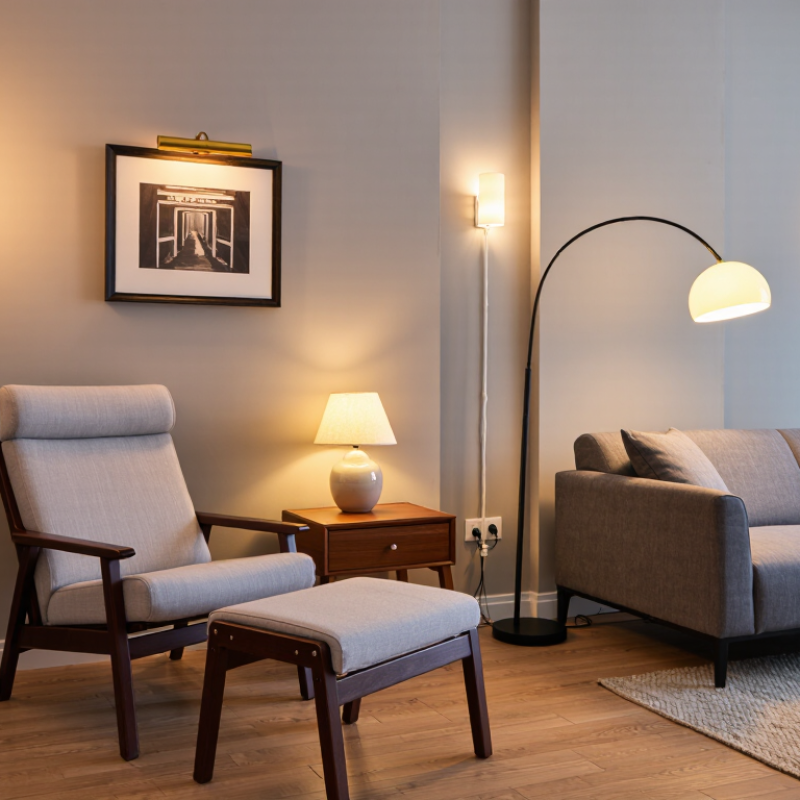
Floor lamps, table lamps, wall sconces, picture lights, and plug-in pendants can create several useful layers. A reading corner may need a focused lamp near the chair. A sofa area often benefits from soft, indirect light behind furniture. Warm LED bulbs around 2700K to 3000K can make living spaces feel inviting. Higher color rendering also helps wood, fabrics, and artwork look more natural. Smart bulbs add scheduling and dimming, but they are not always necessary.
Good lighting should look attractive during the day and work quietly at night. Place fixtures near outlets, hide cables with approved covers, and avoid overloaded power strips. Permanent wiring should be assessed by a qualified electrician. A beautiful lamp in the wrong position still creates glare. That mistake is easy to make. It may be better to test several temporary placements before buying expensive fixtures.
This approach is not perfect for every room. Dark walls, low outlets, and limited floor space can change the solution. Still, careful layering usually delivers better results than relying on one bright lamp. The following ideas compare practical options, realistic limitations, and design details that can make a ceiling-free lighting plan feel intentional.
Assess the Room’s Lighting Needs and Available Power Sources
Before choosing lamps, assess what the room actually needs. Mark dark zones near reading chairs, worktops, stairs, and doorways. Measure daylight at morning and evening, because one bright window can hide serious nighttime gaps. Power comes first.
Check existing wall outlets, switched circuits, and accessible USB-C or low-voltage connections. Avoid placing several high-wattage lamps on one extension lead.
The U.S. Department of Energy reports that LED lighting uses up to 90% less energy and lasts up to 25 times longer than incandescent lighting.
That supports smaller power supplies and longer operating periods. Still, wattage labels alone do not show visual comfort.
Match each task with a practical source. A desk may need a focused plug-in lamp, while a hallway benefits from rechargeable motion lighting. Battery fixtures suit rentals, but frequent charging becomes irritating. IEA data indicates lighting represents about 15% of global electricity use, so efficient choices matter beyond one room. Use certified electrical products and keep cords away from wet areas. My first lighting tests often look attractive but leave corners uncomfortable. That mistake is useful. Walk through the room after sunset, notice glare on screens, and adjust brightness before adding more fixtures.
Layer Floor, Table, and Wall Lighting for Balanced Illumination
A room without ceiling lights can still feel bright, calm, and intentional. The key is layering floor, table, and wall lighting instead of forcing one fixture to illuminate everything.
Start with a floor lamp beside the sofa. Aim its shade toward a pale wall, creating soft reflected light across the room. Add a table lamp near a reading chair or console. Its lower, warmer glow makes furniture feel grounded and gives tired eyes a gentler focus. The Illuminating Engineering Society commonly recommends about 100–200 lux for relaxed living spaces, while reading areas often need closer to 300–500 lux. These figures depend on age, surface colors, and visual tasks. Real homes are rarely textbook-perfect.
Wall lighting completes the balance. A slim picture light, adjustable sconce, or indirect wall washer can reduce dark corners without producing harsh glare. Choose dimmable LEDs with a high color-rendering index, preferably CRI 90 or above, when displaying wood, artwork, or skin tones. The U.S. Department of Energy’s solid-state lighting research reports that laboratory LEDs can exceed 200 lumens per watt, although complete fixtures perform lower after optics and heat losses. IEA market data also shows LEDs have become the dominant lighting technology in new sales, supporting their efficiency advantage. Still, efficiency alone is not comfort. I would test each lamp at night, move it several times, and accept that one corner may need more light than the plan suggested.
2026 Best Ways to Light a Room Without Ceiling Lights
Typical illuminance targets show how layered floor, table, and wall lighting can support different activities without relying on a ceiling fixture. Values are measured in lux, the standard unit of illuminance.
How to read the chart: Use floor and wall lighting for general illumination, then add table lighting where focused tasks require higher brightness. Reading and detailed work commonly need around 300–500 lux, while relaxing areas can remain closer to 100–200 lux.
Add Smart Bulbs, Dimmers, and Portable Lamps for Flexibility
2026 Best Ways to Light a Room Without Ceiling Lights
Smart bulbs make room lighting flexible without rewiring. Place them in floor lamps, table lamps, or wall fixtures. Use warm white light near sofas, then cooler light near a desk. Many smart bulbs support schedules, motion controls, and gradual brightness changes. That matters when one room serves several purposes. The U.S. Department of Energy reports that LEDs use up to 75% less energy than incandescent bulbs and can last up to 25 times longer (DOE Energy Saver).
Dimmers add another layer of control. Choose dimmable bulbs and compatible dimmer switches together. Smart bulbs should not connect to ordinary dimmers unless their instructions allow it. Flickering is annoying, and it may signal a compatibility problem. Portable lamps are easier to adjust. A slim floor lamp can brighten a dark reading corner, while a small lamp beside a cabinet adds softer background light. The Illuminating Engineering Society recommends layered lighting because ambient, task, and accent light reduce glare and improve visual comfort (IES Lighting Handbook).
Keep cords away from walking paths. Test the room at night, not only during the afternoon. I still over-light corners sometimes. A practical target is 10–20 lumens per square foot for general living areas, with stronger task lighting for reading. The exact level depends on wall colors, furniture, and eyesight. Good lighting is partly technical, but daily adjustment matters more than perfect planning.
Conclusion
Lighting a room without a ceiling fixture starts with understanding its size, purpose, natural light, outlets, and available power sources. The question “How to light a room with no ceiling lights?” can be answered by creating layers: use a floor lamp for broad illumination, table lamps for focused tasks, and wall-mounted or plug-in lights to add gentle ambient brightness. Combining different heights and directions helps eliminate harsh shadows and makes the space feel more balanced.
Light-colored walls, mirrors, glass, and other reflective surfaces can spread brightness throughout the room, while smart bulbs, dimmers, and rechargeable portable lamps provide flexible control. Arrange fixtures near seating, work areas, and walkways, then adjust their brightness and angles for comfort and safety. Choosing efficient bulbs, switching off unused lights, and using timers or motion settings can also reduce energy use while keeping the room welcoming and practical.
 Glow Light
