Lighting a room without ceiling lights can be challenging. In designing spaces, effective lighting can elevate both functionality and aesthetics. As expert interior designer Sarah Johnson remarks, "Choosing the right light sources can transform any corner into a vibrant space."
When exploring how to light a room with no ceiling lights, consider various options like floor lamps, table lamps, and even wall sconces. These choices offer flexibility and creativity. Floor lamps can create cozy spots, while wall sconces save space and add character. Experimenting with light placement can significantly enhance the atmosphere.
Not all methods will work perfectly every time. Some areas may require multiple light sources for balance. Reflective surfaces like mirrors can amplify light but may not have the desired effect in darker spaces. It's crucial to think critically about where light is needed most. Balancing brightness with warmth creates inviting areas that resonate with comfort.
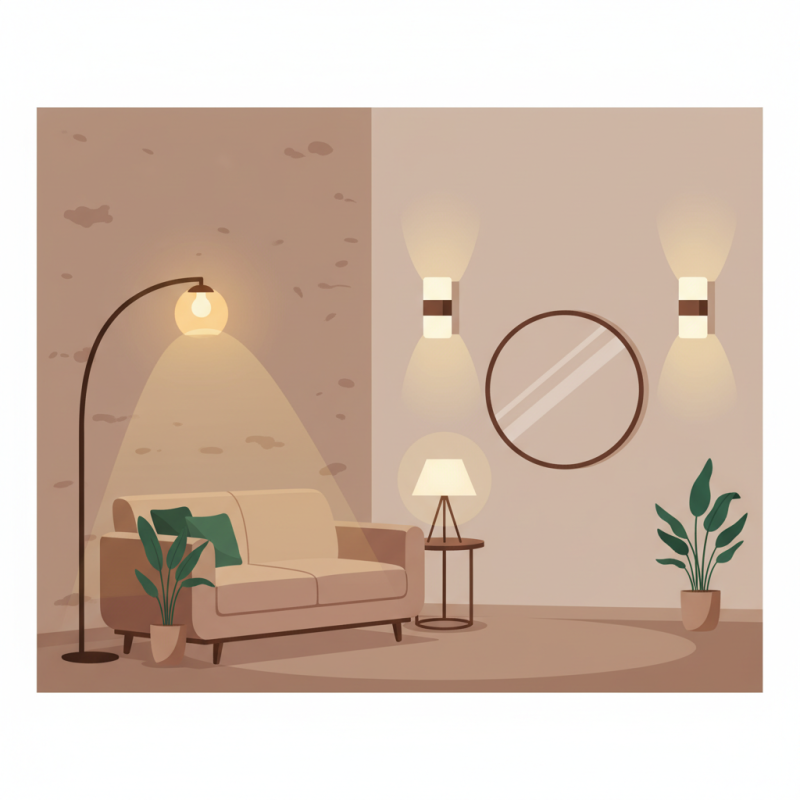
When you lack ceiling lights, lighting your space can be challenging. However, there are numerous alternative options to brighten up your room effectively.
Wall sconces can create a warm atmosphere, adding elegance to any room. Choose designs that complement your decor.
Floor lamps are another excellent choice. They provide abundant light and can be easily repositioned to enhance specific areas.
Consider string lights for a cozy and whimsical touch. Drape them across the walls or around windows. This creates a soft, inviting glow, perfect for relaxation.
Table lamps are versatile and come in various styles. They allow for targeted lighting and can be placed strategically around the room.
Remember, not every lighting solution will fit every room perfectly. Some fixtures may not provide enough brightness, while others may clash with your aesthetic. Experiment with different placements and styles until you find that perfect combination.
It's essential to balance function and design while keeping the atmosphere inviting. Aim for a blend of light sources to achieve the desired effect.
When lighting a room without ceiling lights, floor lamps become powerful tools. They add both brightness and style. A tall, arched lamp can define the space and create a cozy reading nook. Choose lamps with adjustable brightness features. This gives you control over the ambiance.
Consider the placement of your lamps. Position them near dark corners or across from furniture to enhance light distribution. Layering light with multiple lamps can create depth. For example, a floor lamp next to a sofa or chair can create a warm glow.
Experimenting with different lamps can be a journey. Not every lamp will fit perfectly in your layout. It’s okay to try them out. Some may be too bright or too dim at first. Reflecting on the setup can lead to better choices. Finding the right balance between aesthetics and functionality is key.
Table lamps play a crucial role in enhancing the ambiance of a room without ceiling lights. They offer flexibility in terms of placement and can be strategically positioned to illuminate specific areas. This allows you to create focused lighting for reading, working, or relaxing. The right lamp can also add a decorative touch, reflecting your style while serving a functional purpose.
Choosing the correct brightness and design is essential. A lamp with adjustable brightness helps tailor the light to your needs. Consider a warm light bulb for a cozy feel or a brighter one for tasks. However, not every lamp fits every space. Too large a lamp can overwhelm a small room, while a tiny one might get lost in a larger area. Reflect on how each piece complements your existing decor and meets your lighting needs.
Positioning is equally important. Place lamps near seating areas or on tables to enhance usability. Experiment with different heights and colors to find what works best. Not everyone realizes that layering light sources is key. Combining table lamps with floor lamps or wall sconces can create a balanced lighting scheme. This trial-and-error approach can lead to unique setups that reflect personal taste and functionality.
| Lighting Method | Description | Advantages | Best For |
|---|---|---|---|
| Table Lamps | Portable lamps that can be placed on surfaces. | Versatile, easy to move, various styles and intensities. | Reading nooks, workspaces, bedside tables. |
| Floor Lamps | Tall lamps designed to stand on the floor. | Provides ambient lighting and can be aesthetically pleasing. | Living rooms, corners of rooms, or behind furniture. |
| Wall Sconces | Mounted fixtures attached to the wall. | Saves floor space, adds decorative elements. | Hallways, bedrooms, and entryways. |
| String Lights | Decorative lights that can be hung or draped. | Creates a cozy atmosphere, easy to install. | Bedrooms, outdoor areas, and events. |
| Portable LED Lighting | Compact and rechargeable lights. | Flexible placement, energy-efficient. | Camping, emergency lighting, and outdoor use. |
Wall sconces are an excellent solution for lighting rooms without ceiling fixtures. They not only provide ample illumination but also contribute to the aesthetic appeal of any space. According to the American Lighting Association, well-placed sconces can enhance the mood of a room. Positioning them at eye level creates a warm, inviting glow.
When choosing wall sconces, consider the style and function. For smaller rooms, opt for sconces with a compact design to avoid clutter. In larger areas, decorative sconces can serve as focal points. Lighting experts suggest using dimmable sconces to adjust brightness according to the time of day or activity. This flexibility allows for a more personalized atmosphere.
Tips:
- Mix different types of lighting. Layering sconces with table lamps can enhance visibility and style.
- Ensure the sconces are placed at least 60 inches above the floor for optimal light distribution.
- Don’t forget about the color temperature. Warm light (between 2700K-3000K) creates a cozy atmosphere.
Improper placement can lead to shadows or harsh lighting. A poorly lit room can feel smaller and more cramped. It’s essential to consider the overall design and how sconces interact with other light sources. Adjusting your lighting scheme can dramatically change the space's feel.
String lights can transform any room without ceiling lights. They provide both illumination and a cozy atmosphere. The twinkling effect of these lights brings warmth to a space, enhancing its aesthetic appeal. When placed thoughtfully, string lights can highlight features like artwork or architectural details.
Tips for using string lights effectively: try draping them along walls or around furniture. You can also weave them through plants for a magical touch. Note the length of the lights you choose. Some spaces may require more than you think. A scattered approach can create a playful vibe, while a linear setup offers symmetry.
Creating distinct zones is essential. String lights can define a reading nook or a dining area. Experiment with different colors and shapes. Consider how each design element works together. This can lead to unexpected discoveries about your space. Keep in mind that not all arrangements will work the first time. Be open to adjusting and iterating on your design.
This chart displays different methods to illuminate a room without ceiling lights, showcasing their effectiveness based on user preferences.
: Consider wall sconces, floor lamps, string lights, and table lamps. Each provides unique benefits and styles.
Wall sconces create a warm atmosphere. They also add elegance, making any space feel more inviting.
Floor lamps provide abundant light and can be easily moved to focus on specific areas.
String lights offer a cozy glow. They're perfect for creating a whimsical atmosphere in any space.
Table lamps are versatile. They allow for targeted lighting and can be placed according to your needs.
Place floor lamps near dark corners or in front of furniture. This optimizes light distribution in the room.
Not every fixture fits all spaces. Evaluate brightness and style before making a final decision.
Mix different light sources to achieve your desired effect. Experimenting will help you find the best combinations.
Yes, reflecting on your setup can lead to better choices. Learning what works helps enhance your space effectively.
Absolutely. Some lamps may not fit your layout. Trial and error is part of the process. It's okay to make adjustments.
When considering how to light a room with no ceiling lights, there are several alternative options to create a well-lit and inviting atmosphere. Floor lamps serve as versatile lighting sources that can enhance the room's ambiance while adding decorative elements. Additionally, table lamps can be strategically placed to provide functional lighting for specific tasks such as reading or working, ensuring that every corner of the room feels warm and welcoming.
Incorporating wall sconces is another stylish approach, allowing for a blend of practicality and design that helps to illuminate walls and highlight artwork. For those seeking a more creative touch, string lights can be utilized to infuse the space with a whimsical glow, offering both illumination and decorative flair. Overall, these various lighting techniques provide effective solutions for brightening up a room without ceiling fixtures, elevating the overall aesthetic and functionality of the space.

Glow Light