Selecting the right lighting for your home office is essential for reducing eye strain. Studies from the American Optometric Association reveal that 50% of people working indoors experience discomfort. A well-lit workspace can significantly improve productivity and comfort.
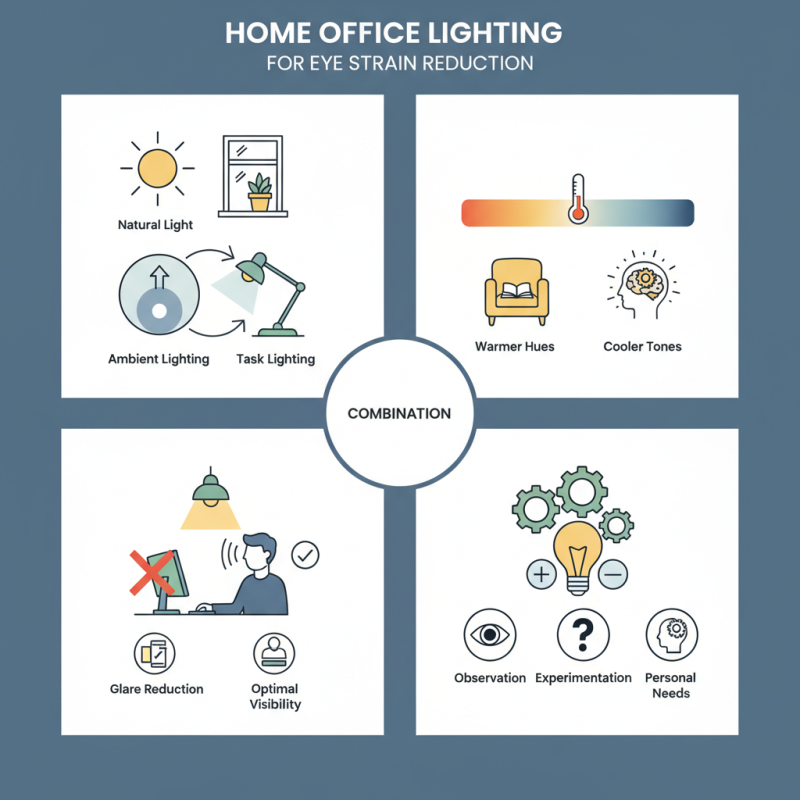
So, what is the best lighting for a home office to reduce eye strain? Natural light is often ideal but not always feasible. Many experts suggest using a combination of ambient and task lighting. This approach can minimize glare and provide optimal visibility.
Consider the color temperature of your lighting as well. Research indicates that cooler tones can enhance alertness, while warmer hues create a cozy atmosphere. Every workspace is unique. It’s vital to adjust the lighting to suit personal needs and preferences. This requires observation and willingness to experiment.
Eye strain is a growing concern for many who work from home. It results from prolonged use of screens and poor lighting conditions. According to the American Optometric Association, roughly 50-90% of people who work on computers experience some symptoms of eye strain. Common symptoms include dry eyes, headaches, and blurred vision. Understanding these symptoms can help in choosing appropriate lighting for your home office.
Too stark or dim lighting can exacerbate these symptoms. Natural light is ideal, but not everyone has access. Layer your lighting with ambient, task, and accent lights. Use adjustable desk lamps that can direct light without creating glare on screens. Be mindful of color temperature; too blue or too warm light can lead to discomfort. Reports indicate that people feel more productive in environments with a color temperature around 5000K.
Tip: Position your screen to minimize glare. Use blinds or curtains to diffuse daylight. Take regular breaks to rest your eyes. Blink often to keep your eyes moist. These simple adjustments can significantly enhance your working experience. With the right lighting setup, reducing eye strain is entirely possible.
This bar chart illustrates the average eye strain levels associated with different types of lighting in home offices. Natural light shows the lowest eye strain, while fluorescent lights tend to produce higher levels of eye discomfort, suggesting careful consideration when choosing office lighting.
Proper lighting is crucial for eye health, especially in a home office. Poor lighting can lead to fatigue and discomfort. Many people underestimate how much light affects their productivity and well-being. A well-lit space can significantly reduce eye strain.
Natural light is often the best choice. It helps regulate your circadian rhythm and can enhance your mood. If possible, position your desk near a window. However, direct sunlight can cause glare. This is when adjustable blinds or curtains really help. Sometimes, relying solely on artificial lighting leads to headaches and discomfort.
Consider a mix of ambient and task lighting. Desk lamps with adjustable brightness can provide focused light for reading or writing. Bulbs with a color temperature between 3000K and 4000K are best for a comfortable work environment. It’s worth noting that too much contrast between light sources can be jarring. Experiment with different setups to find what works for you. Lighting is a personal experience, and there’s always room for improvement.
When selecting lighting for your home office, both natural and artificial light play crucial roles in reducing eye strain. Natural light offers various benefits, such as increased productivity and improved mood. However, not every workspace has access to ample sunlight. If you are one of those who can utilize natural light, consider positioning your desk near a window. This setup can enhance your focus while minimizing eye discomfort.
Artificial lighting, on the other hand, is quite essential. Opt for adjustable LED lights that mimic daylight. They help in reducing glare and can be adjusted based on your tasks. Using task lighting, like desk lamps, can concentrate light exactly where needed, preventing shadows and strain.
Tips: Take breaks every hour to rest your eyes. Adjust the brightness based on the time of day. Experiment with different lighting arrangements to find what works best for you. Don’t be afraid to mix overhead lights with desk lamps for a balanced look. Remember, your setup should serve your unique work habits to ensure comfort.
Choosing the right lighting for your home office is essential to reduce eye strain. Bright, harsh lights can be overwhelming. Soft, diffused lighting creates a comfortable environment. Natural light is ideal, as it minimizes glare and promotes focus. If possible, position your desk near a window.
Consider adjustable lamps. They allow you to control brightness. Look for warm-toned bulbs, which offer a softer glow. Avoid blue light, especially in the evening. It can interfere with sleep and cause more strain. Task lighting is vital for specific activities. A dedicated light for reading or writing can make a huge difference.
Remember, the color of your walls also affects perception. Light colors can enhance brightness. Darker walls may absorb light, making the room feel cramped. Regularly check your light fixtures. Dust and dirt can dull their brightness. Ensure your workspace is well-organized to maximize light flow. Simple adjustments can significantly enhance comfort during long hours of work.
The right lighting in your home office can significantly reduce eye strain. Research indicates that poor lighting contributes to 60% of eye-related complaints in office environments. An effective approach is to use a combination of ambient, task, and accent lighting. Ambient lighting provides overall illumination. Task lighting focuses on specific areas, like your desk. Accent lighting adds depth and character.
Position your desk near a window. Natural light is ideal. It can improve mood and productivity. However, avoid glare on your screen. Use blinds or curtains to diffuse direct sunlight. A desk lamp with an adjustable arm allows for flexibility. Choose LED bulbs with a color temperature of around 4000K to 5000K. This range mimics daylight and reduces fatigue.
Consider your layout critically. A poorly arranged office can lead to shadows and discomfort. Evaluate the positioning of your light sources. You might find that certain areas are too dim. Soft, indirect lighting reduces harsh contrasts. Your eyes will thank you after long hours of work. Sometimes, less can be more when arranging lights. Experiment with different setups until you find what works best for you.
: Natural light can increase productivity and improve mood. It helps reduce eye strain.
If there’s little natural light, use adjustable LED lights. They can mimic daylight effectively.
Use blinds or curtains to diffuse direct sunlight. This helps maintain focus without discomfort.
Task lighting, like desk lamps, is ideal. It focuses light where it’s most needed and reduces shadows.
It’s important to take breaks every hour. This helps reduce eye fatigue from continuous screen time.
Choose LED bulbs with a color temperature between 4000K and 5000K. It mimics natural daylight.
Critically evaluate light source positions. Some areas may be too dim, affecting comfort.
Poor arrangement can lead to shadows and discomfort. Experiment with setups for better results.
Yes, mixing overhead lights with desk lamps creates a balanced look. It caters to various tasks.
When considering how to choose the best lighting for a home office to reduce eye strain, it's crucial to first understand the causes and symptoms of eye strain in a workspace setting. Proper lighting plays a significant role in maintaining eye health, as inadequate lighting can exacerbate discomfort. The balance between natural and artificial light is essential—both have unique benefits, but the right combination can create an optimal work environment.
Key features to consider include brightness levels, color temperature, and the placement of light sources. Positioning lights to minimize glare and shadows is also critical for eye comfort. By incorporating practical tips on arranging lighting in your home office, one can effectively reduce eye strain, ultimately improving productivity and overall well-being. So, what is the best lighting for a home office to reduce eye strain? A thoughtfully designed lighting plan that integrates both natural and artificial light is the ideal approach.

Glow Light