How to hide lamp cords on a glass table? The answer begins with planning, not tape. Glass reveals every mistake, including crooked clips, dusty surfaces, and loose cable loops. A clean solution should look intentional while keeping the cord protected and the lamp stable.
In my experience, the most reliable route follows the table’s rear edge or a nearby leg. Measure the distance before choosing a cord cover or transparent adhesive clips. Clean the glass with a soft, lint-free cloth, then let it dry completely. Test any adhesive on a hidden area first. Some products leave cloudy marks or pull at delicate finishes. Small felt pads can lift the cable slightly and reduce rubbing against the glass. Use a low-profile cover where the cord crosses an exposed section. Keep the cable away from sharp edges, hot bulbs, and moving chair legs.
Safety matters more than perfect appearance. Never trap the cord beneath a heavy lamp base or force it through a narrow gap. Leave enough slack near the plug and lamp socket. A certified electrician’s advice is useful when the outlet sits far away or the cable needs permanent routing. For renters, removable clips may be better than strong mounting tape.
The result may not be completely invisible. That is acceptable. A tidy, accessible cord is safer than one hidden too aggressively. I once focused too much on symmetry and created a sharp bend behind the table. It looked neat, but it was not a thoughtful solution. This guide examines practical methods, common mistakes, and small adjustments that make a glass table feel calmer and safer.
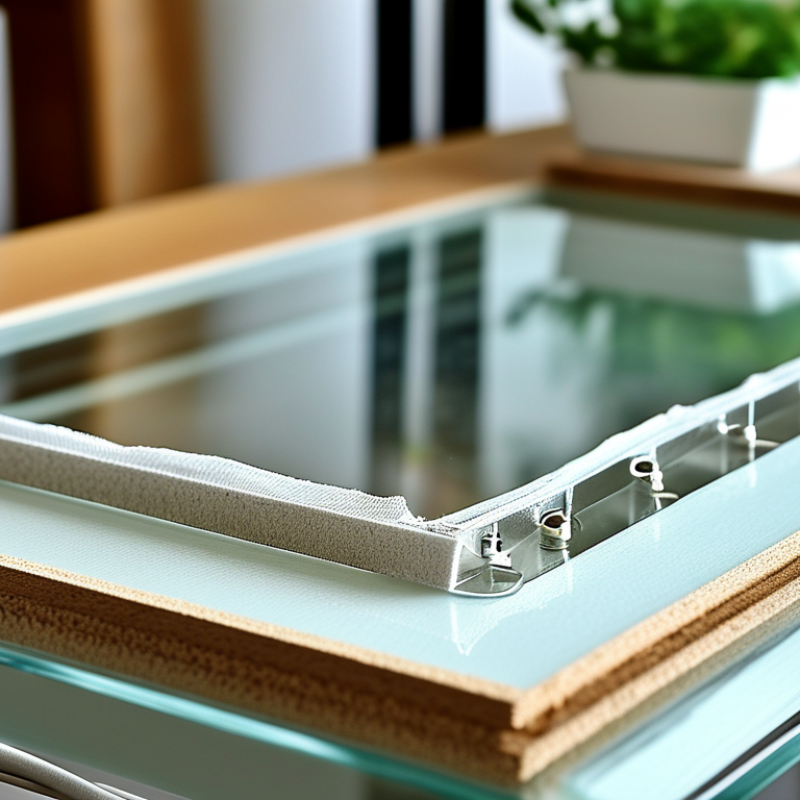
Glass changes everything. Unlike wood, it cannot hide staples, drilled channels, or rough cable clips. Start by studying the cord’s natural path from the lamp base to the nearest outlet. A clean route usually follows the table’s rear edge, then drops beside a leg. Keep the cable away from the tabletop’s center, where reflections make every line more visible.
Use transparent, removable cable clips rated for smooth surfaces. Clean the glass with a soft, residue-free cloth first, then test one clip in a hidden corner. Do not pull the cord tightly. A small loop near the lamp allows movement without stressing the plug or socket. Keep the cable clear of hot bulbs, sharp glass edges, and walking paths. Never drill the tabletop, especially without knowing whether it is tempered or laminated glass.
I once placed a clip too close to the edge. It looked neat but lifted after a few days. That mistake taught me to leave more space and use fewer attachment points. A slim fabric sleeve can gather excess cord beside the rear leg, but avoid bulky covers that distract from the glass. Do not trap the cable beneath a heavy rug or furniture foot. Check the route after cleaning, moving the lamp, or changing the outlet position.
Glass tables reveal every cable, but concealment should never compromise heat control or electrical safety. The Electrical Safety Foundation International cites National Fire Protection Association data estimating 51,000 home electrical fires annually in the United States. That figure makes material choice more important than appearance.
For a glass surface, use clear silicone clips with removable adhesive pads. Choose products rated for smooth, nonporous surfaces. They should hold the cable lightly, not compress it. Soft silicone sleeves can bundle visible sections without scratching glass. Low-tack painter’s tape may guide a cord temporarily, but it can leave residue in warm rooms. Test one hidden spot first. I once assumed “removable” meant residue-free. It did not.
Avoid metal clips, rigid cable staples, and permanent glue. They can scratch glass or create sharp pressure points. Do not place adapters under fabric sleeves or tape them tightly. Electrical guidance from the U.S. Consumer Product Safety Commission warns against damaged, overloaded, or overheated cords. Leave ventilation around power adapters. Keep connections away from the table’s edge and any spilled liquid.
A practical setup uses two silicone clips beneath the rear edge and one loose sleeve toward the outlet. Leave a gentle curve in the cable. Tight bends can damage insulation over time. Check the adhesive weekly during the first month. Humidity, dust, and heat can weaken it. If the clip shifts, replace it rather than adding more adhesive. The cleaner choice is not always the safest one.
| Material or Method | Best Placement | Visibility on Glass | Removability | Residue or Surface Risk | Heat and Electrical Considerations | Recommended Use |
|---|---|---|---|---|---|---|
| Clear silicone cable clips with a removable fastening pad | Along the underside or rear edge of the table, where the cord can follow a straight path | Low when viewed from above; clip edges may be visible from the side | High | Generally low when removed slowly, but the adhesive should be tested on an inconspicuous area first | Use only with the clip size and load limit specified by the manufacturer; do not place near a hot lamp base or bulb | Best overall option for keeping a lightweight lamp cord aligned and off the tabletop |
| Small clear adhesive cable anchors | Under the tabletop or along a rear table leg | Very low | Medium to high | Adhesive may leave residue or affect coatings if left for a long period or removed incorrectly | Do not attach to a surface that becomes warm; avoid stretching the cord tightly through the anchor | Suitable when discreet positioning is more important than frequent relocation |
| Hook-and-loop cable straps | Bundling excess cord beneath the table or beside the lamp base | Low because the strap can remain below the glass | Very high | Usually no adhesive residue; excessive tightening can deform or stress the cord | Keep the strap snug but not compressed; do not bundle a cord while it is plugged in and energized | Best for managing extra cord length without attaching anything to the glass |
| Soft silicone or fabric cord sleeve | Along the visible section of cord between the lamp and the table edge | Medium; a sleeve can make the cord look more intentional but may remain visible | High | No adhesive contact with the glass; the sleeve itself should be removable for cleaning and inspection | Do not use a sleeve to conceal damaged insulation, and keep it away from hot surfaces | Useful for reducing visual clutter when the cord must remain visible |
| Low-profile removable cord cover | Across a short, protected section where the cord could be snagged | Medium to high depending on the cover’s profile and color | Medium | Adhesive-backed versions may leave residue; non-adhesive versions are safer for delicate finishes | Never use a cover that pinches, sharply bends, or crushes the cord; choose a size that allows the cord to lie freely | Appropriate for reducing trip or snag hazards, not for hiding a cord under a glass panel |
| Removable silicone cable ties | At the back of the lamp base or around a table leg | Low when placed behind or below the table | High | No adhesive residue; silicone can collect dust and should be cleaned periodically | Do not tie tightly around the power cord or use ties as a substitute for strain relief at the plug | Good for securing a short length of cord while preserving easy access for cleaning |
| Decorative cord-routing channel positioned behind the table | Along the wall, rear table edge, or table leg rather than directly on the glass | Low from the front | Medium | Depends on the mounting method; removable mounting should be preferred over permanent glue | Keep the channel open enough to avoid compressing the cord and do not cover plugs, adapters, or ventilation openings | Best when the cord must travel from the table to a nearby outlet |
| Adhesive tape applied directly to the glass | Only as a temporary solution after a compatibility test | Medium; tape edges and trapped dust can be noticeable | Low to medium | May leave adhesive, attract dust, or interact with coatings; some tapes can be difficult to remove cleanly | Do not use tape to repair damaged insulation or to hold a cord against a hot lamp component | Generally not preferred for a neat, long-term, removable installation |
Safety note: Route the cord around the edge or underneath the table rather than trapping it between glass surfaces. Keep cords away from heat, moisture, sharp edges, moving parts, and areas where they can be pinched or pulled. Before removing any adhesive-mounted product, soften or release it according to its instructions and avoid scraping the glass with metal tools.
Before hiding a lamp cord on a glass table, decide where the lamp should live. I usually place it near the table’s rear corner, leaving enough space for books, cups, and a steady hand. The lamp base must sit flat, not partly over an edge. A small shift can make the cord much harder to manage.
I measure the distance to the outlet with the lamp in position. This prevents a tight cord from pulling the base sideways. It sounds obvious. It is easy to overlook.
Route the cord toward the back, then down one table leg instead of across the glass. Clear clips can hold it against the leg, but test one on an unseen surface first. Some adhesives leave marks or pull at finishes.
I once placed a clip too close to the tabletop, and the cord formed an ugly loop. Moving it only a few centimeters improved the line. Leave slight slack near the lamp for cleaning and safe repositioning.
Keep the cord away from hot bulbs, sharp edges, walking paths, and damp areas. Check that the plug remains visible and reachable. A tidy route should still allow quick unplugging. If the outlet feels loose or the cord shows damage, stop and ask a qualified electrician for advice.
How to Hide Lamp Cords on a Glass Table?
A glass table looks clean because light passes through its surface. A loose lamp cord can quickly ruin that effect. I usually route the cord toward the nearest rear corner, not directly across the tabletop. This keeps the glass visually open and reduces accidental pulling. Keep it loose. A cord stretched tightly can shift the lamp or stress its plug.
Use transparent cable clips beneath the table edge when the frame allows it. Place them several inches apart, following the table’s rear perimeter. The cord should remain visible enough for inspection, but not hang below eye level. For a floating appearance, guide it down one rear leg or support, then secure it near the floor. Soft clips are preferable because hard fittings may scratch metal or press against the glass. Never drill, clamp, or attach hardware directly to the glass.
A short fabric sleeve can group excess cord near the leg. Leave a small loop behind the lamp for movement and cleaning. I once routed a cord too tightly, and the lamp shifted whenever the table was wiped. That mistake was avoidable. Check the plug, cord, and clips regularly for wear. Keep connections away from damp areas, and avoid hiding them beneath rugs or heavy furniture. If the table has no suitable edge or frame, a cord channel placed behind it may be safer than forcing an invisible route. Small details matter.
This planning chart compares the expected visible cord length on a 120 cm glass tabletop when the lamp is placed near the rear corner and the outlet is behind the table.
Key takeaway: Routing the cord along the rear edge and securing it beneath the tabletop keeps most of the glass surface clear without drilling or attaching adhesive directly to the visible glass.
Hiding a lamp cord on a glass table should not begin with appearance. Stability comes first. Place the lamp on a flat, dry area, then gently press the tabletop near its base. Any rocking suggests uneven contact or excessive movement. A heavy lamp may seem secure but can still slide when the cord is pulled. Keep the cord running toward the nearest edge, without crossing the table’s walking side. Leave enough slack for small adjustments, but not enough to form a loop that catches fingers.
Use clear, low-profile cable clips made for smooth surfaces, and test one in an inconspicuous area. Clean the glass with a dry, lint-free cloth before attaching anything. Adhesive that grips too strongly may leave residue or damage a coated surface. Suction holders can also lose grip when dust or moisture appears. That detail is easy to overlook. Keep the cord away from the bulb, hot metal, sharp corners, and moving chair legs. Inspect the plug and insulation for cuts before connecting the lamp.
Removal should be slow and deliberate. Warm adhesive slightly with your hand, then peel it parallel to the glass instead of pulling upward. Stop if the surface coating lifts or cloudy marks appear. I once assumed transparent clips were harmless because they looked lightweight; the pressure point still mattered. A removable setup is safer when every clip can come off without tools, scraping, or force. After removing the cord, check the glass under angled light for residue, stress lines, or small chips.
: Use clear silicone clips with removable adhesive pads. Choose clips rated for smooth, nonporous surfaces. Soft silicone sleeves can group visible cord sections without scratching glass.
Guide it toward the nearest rear corner. Avoid running it directly across the tabletop. Keep a gentle curve in the cord. Do not stretch it tightly.
No. Never drill, clamp, or glue hardware directly onto the glass. Rigid fittings may scratch the surface or create sharp pressure points.
Place two clips beneath the rear edge, when the frame allows it. Add another clip near the rear leg. Keep the cord lightly held, not compressed.
Low-tack painter’s tape may help briefly. Test it in a hidden area first. Warm rooms can make residue harder to remove.
Use a short fabric sleeve near the leg. Leave a small loop behind the lamp for movement and cleaning. Do not cover power adapters tightly.
Keep plugs and adapters ventilated. Keep connections away from spilled liquid, damp areas, rugs, and heavy furniture. Inspect damaged or overheated cords immediately.
Check them weekly during the first month. Humidity, dust, and heat can weaken adhesive. If a clip shifts, replace it instead of adding more adhesive.
Use a cord channel behind the table. Forcing an invisible route may create more strain. A visible, loose path can be safer.
Do not assume “removable” means residue-free. I once made that assumption. The cleaner-looking setup is not always the safest one.
How to hide lamp cords on a glass table? Start by studying the table’s edges, supports, and nearby power outlet to choose the shortest, least visible cord path. Because glass surfaces can scratch, shift, or show adhesive marks, select soft, removable materials such as clear clips, fabric sleeves, or gentle cable ties. Avoid permanent glue, sharp fasteners, and anything that could place pressure on the glass.
Plan the lamp and cord placement before attaching anything, keeping the lamp balanced and the cord away from areas where it may be pulled or caught. Route the cord along the table’s rear edge, leg, or underside when possible, securing it loosely so it stays neat without blocking the glass surface. Finally, test the lamp’s stability, confirm that the cord does not create a tripping hazard, and check that every attachment can be removed cleanly without damaging the table.

Glow Light