Installing an LED sconce can be an exciting project. However, many homeowners face a frustrating issue: flickering lights. The question arises, "Why is my LED sconce flickering after installation?" This annoyance can stem from several factors related to electrical connections, compatibility, or even the environment.
Inconsistent power supply is often a culprit. If the voltage fluctuates, it may lead to flickering. Poor connections can also play a significant role. Loose wires or improper installation might prevent a steady flow of electricity. Additionally, not all LED bulbs are created equal. Some may not be compatible with dimmers or specific fixtures, causing unexpected behavior like flickering.
Understanding the reasons behind this flickering can save time and frustration. It's essential to reflect on the installation process and check all components carefully. Taking a closer look at each element of the setup can lead to a reliable solution. Let’s explore these issues in detail.
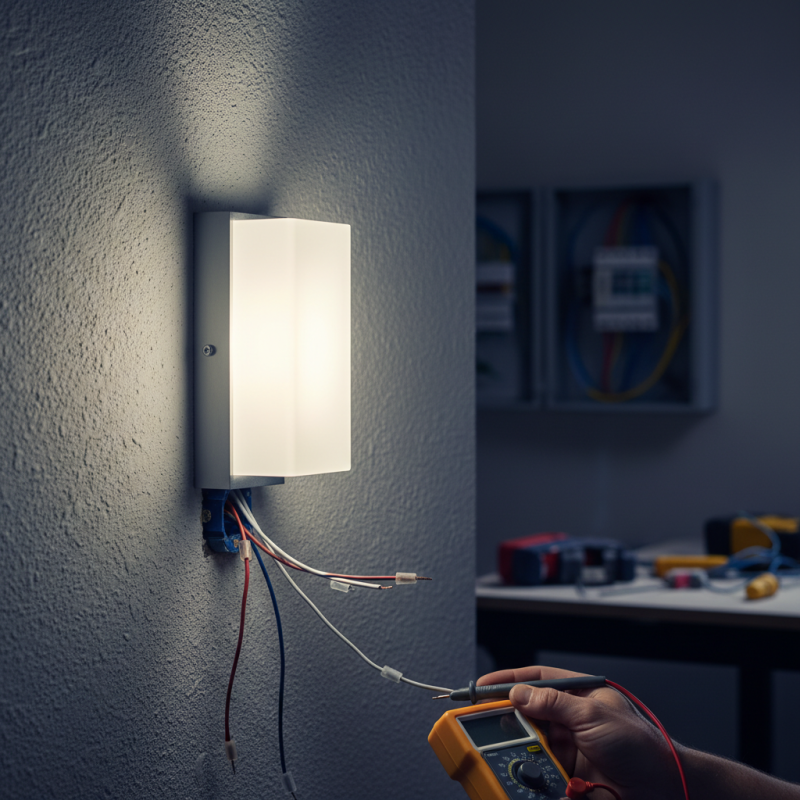
LED sconces can flicker for a variety of reasons after installation. One common cause is poor wiring connections. If the wires are not tightly connected, it can lead to inconsistent power supply. Loose connections may require a simple tightening. Always ensure that wires are securely attached.
Another cause can be incompatible dimmer switches. Not all dimmers work well with LED lights, leading to flickering. Using an incompatible dimmer may create unwanted voltage fluctuations. Replacing the dimmer with one designed for LED fixtures could resolve this issue effectively.
Moreover, fluctuations in voltage from the electrical supply can also trigger flickering. If your home has unstable voltage, it may be worth consulting a professional electrician. Regularly experiencing flickering can be a sign of a larger electrical issue. Identifying the source may take time, but it is essential for safety and functionality.
Flickering in LED sconces can be frustrating. One common cause is voltage fluctuations in the electrical system. LEDs require a stable voltage for optimal performance. A study by the U.S. Department of Energy indicates that even minor voltage changes can lead to flickering. This highlights the need for a stable power supply in residential settings.
Inadequate wiring can also contribute to the problem. Old or damaged wiring may not be able to support the load of new LED fixtures. According to a report from the National Electrical Contractors Association, improper connections can cause intermittent flickering. Identifying these issues can be challenging. A thorough inspection of wiring may reveal faults that require attention.
Another potential issue is the compatibility of dimmer switches with LED technology. Not all dimmers work well with LEDs. This mismatch can result in flashing lights or flickering. Research shows that around 50% of homeowners experience similar problems with dimmers not designed for LED use. Being aware of these compatibility issues can help prevent ongoing flickering headaches.
Flickering LED sconces can be frustrating. One of the main causes is compatibility issues between LED bulbs and older dimmer switches. Traditional dimmers often lack the technology to work smoothly with energy-efficient LEDs. This mismatch can lead to undesirable flickering.
To prevent this problem, consider updating your dimmer switch. Look for a dimmer specifically designed for LED usage. This small investment can significantly improve your lighting experience. Ensure your new dimmer is compatible with the total wattage of your LED sconces. Overloading the dimmer can cause flickering as well.
Keep in mind the importance of selecting quality LED bulbs. Not all LEDs behave the same. Some are more prone to flicker than others. Prioritize bulbs from reputable manufacturers that guarantee compatibility with dimmers. Also, be attentive to the installation process. Loose connections can exacerbate flickering. Check that all bulbs are securely in place.
As you troubleshoot, take note of the environment. Sometimes, flickering can be influenced by electrical surges. If issues persist, consult an electrician. They can assess your wiring and ensure everything is functioning as it should.
This chart represents the common causes of LED sconce flickering after installation, indicating the percentage of occurrences related to issues such as poor compatibility with existing dimmers, outdated dimmer switches, voltage fluctuations in the system, incorrect wattage ratings, and the quality of the LED products used.
Wiring is crucial for LED sconce installation. If done improperly, it can lead to flickering lights. A common issue is loose connections. This can disrupt the flow of electricity, causing the flickering effect. Ensure that all wires are securely connected. This may require checking at both the sconce and the wall switch.
Another aspect to consider is the compatibility of the dimmer switch. Not all dimmers work well with LED fixtures. Using an incompatible dimmer can result in inconsistent lighting. It's essential to choose a dimmer rated for LED use. This decision can dramatically affect how your LED sconce performs.
Finally, inspect your power supply. Voltage fluctuations can also contribute to flickering. If your home has older wiring, this might be an issue. Sometimes, the source of the electricity is beyond your control. However, understanding these elements can help improve your fixture's performance. Proper installation makes a significant difference in functionality.
Flickering LED sconces can be annoying. This issue often arises after installation. It’s important to identify the root cause early on.
Check your connections. Loose wires can cause inconsistent power flow. Make sure every wire is securely attached. If you're unsure, it’s wise to consult a professional for help.
Dimming can also lead to flickering. If your LED sconce is connected to a dimmer, ensure it’s compatible. Not all LEDs work with every dimmer. Sometimes, the dimmer can be the problem rather than the sconce itself.
Lastly, consider the power source. Voltage fluctuations can cause the flickering effect. If you notice fluctuations elsewhere in your home, it’s worth investigating. Investing in a voltage stabilizer might help in such cases. Exploring these common issues can lead to solutions for your flickering LED sconces.
: Flickering often results from voltage fluctuations in the electrical system. LEDs need stable voltage to function well.
Old or damaged wiring may not support LED fixtures. This can lead to intermittent flickering, complicating diagnosis.
Many older dimmer switches can't work effectively with LED technology. This mismatch frequently causes flickering.
Consider upgrading to a dimmer designed specifically for LEDs. This can enhance your lighting experience significantly.
Select bulbs from reputable manufacturers known for compatibility with dimmers. Different LEDs vary in performance and flickering tendencies.
Loose or improperly attached wires can disrupt power flow. Ensure all connections are secure to help alleviate flickering.
If flickering persists despite troubleshooting efforts, an electrician can assess your wiring and overall system performance.
Yes, electrical surges can lead to flickering in LED fixtures. Monitor for fluctuations in other appliances or devices.
Investigate the power source and consider investing in a voltage stabilizer for additional stability.
No, some LED fixtures are more susceptible than others. Quality and compatibility play vital roles in performance.
The article titled "Why is my LED sconce flickering after installation?" addresses various factors that can lead to flickering issues with newly installed LED sconces. Common causes include electrical problems, such as voltage fluctuations or loose connections, which can disrupt the performance of LED fixtures. Additionally, compatibility problems between LED lights and existing dimmer switches may contribute to this flickering phenomenon.
Proper wiring is crucial during the installation process, as inadequate or incorrect wiring can exacerbate flickering issues. The article also provides troubleshooting tips to help identify and resolve these problems, ensuring a stable and flicker-free lighting experience. By examining these aspects, homeowners can better understand and mitigate the causes of flickering in their LED sconces.

Glow Light