What is the Lifespan of Integrated LED Fixtures?

Time:2026-06-16 Author:Henry
0%

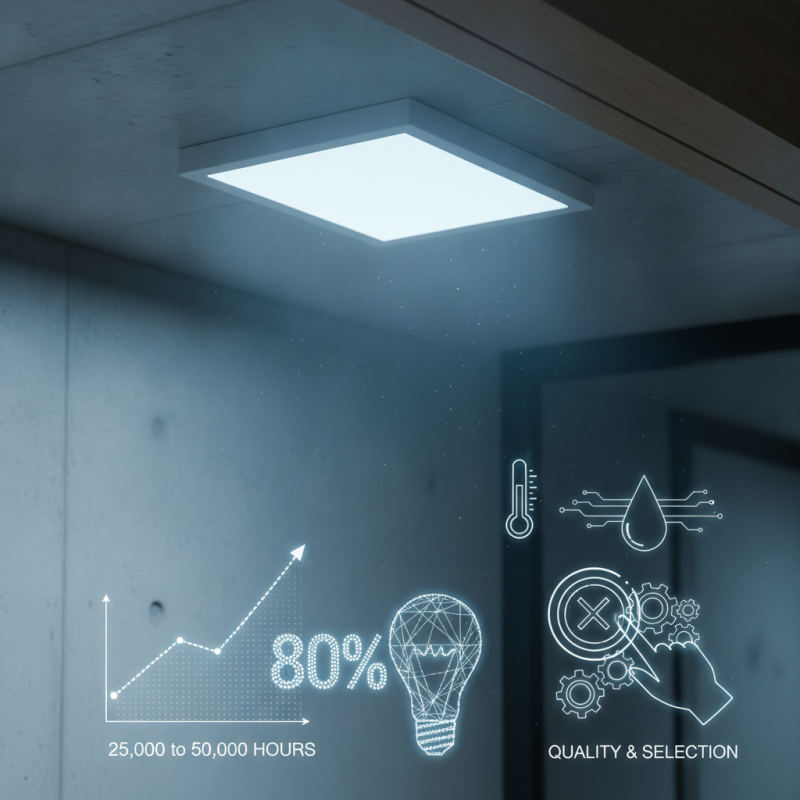
When considering the lifespan of integrated LED fixtures, a vital question arises: How long do integrated LED fixtures last? Industry studies indicate that these fixtures can last anywhere from 25,000 to 50,000 hours, far exceeding traditional lighting options. According to the U.S. Department of Energy, LED technology boasts at least 80% energy efficiency compared to incandescent lights. This longevity leads to significant cost savings and reduced maintenance efforts.

However, the actual lifespan may vary. Factors such as usage, environmental conditions, and quality of fixtures all play a role. For instance, extensive exposure to temperature fluctuations or humidity could shorten their lifespan. Additionally, not all LED products meet the same manufacturing standards, which can lead to variability in performance.

In exploring integrated LED longevity, one must also reflect on the balance between durability and performance. It is important to choose reliable brands and consider warranty offerings, as these can indicate manufacturer confidence in their product lifespan. Ultimately, while the potential for longevity is enticing, careful selection and consideration of environmental factors are crucial for achieving the best results.
What is the Lifespan of Integrated LED Fixtures?

Definition and Overview of Integrated LED Fixtures

Integrated LED fixtures are a modern lighting solution that combines the light source and fixture into a single unit. This design is not only sleek but also efficient. Unlike traditional bulbs, integrated LEDs do not require separate installation. This simplifies the process for both homeowners and professionals. The fixtures come in various styles, fitting diverse aesthetics.

One key aspect of integrated LED fixtures is their lifespan. They typically last longer than traditional lighting options. With an average lifespan ranging from 25,000 to 50,000 hours, they significantly reduce the need for frequent replacements. However, variations in usage and environment can affect these numbers. Factors like temperature and humidity, as well as the quality of the initial installation, play vital roles in longevity. It is worth noting that while integrated LED fixtures are more durable, they may still face unexpected failures.

Choosing the right integrated LED fixture can be daunting. There are numerous designs and specifications available on the market. It is essential to consider energy efficiency, brightness, and color temperature. Some fixtures may not suit every space, leading to dissatisfaction. A thoughtful approach to selection can mitigate such issues. Using resources like professional guidance or reliability ratings can enhance confidence in decisions.

What is the Lifespan of Integrated LED Fixtures?

Fixture Type Lifespan (Hours) Wattage (W) Typical Usage (Hours/Day) Estimated Years of Use
Recessed Lighting 50,000 10 5 27
Pendant Lighting 30,000 15 6 14
Surface Mount 50,000 20 8 17
Wall Sconce 25,000 9 4 17
Stadium Lighting 100,000 400 10 27

Factors Influencing the Lifespan of Integrated LED Fixtures

The lifespan of integrated LED fixtures depends on various factors. One major influence is the quality of the components used. High-quality materials can extend lifespan significantly. Cheap components may lead to early failures. Temperature is another critical factor. Excessive heat can reduce functionality and lifespan. Proper heat dissipation methods are essential.


Tips: Ensure your fixtures have good ventilation. This helps maintain a stable temperature. Also, consider the environment. Humidity and dust can also impact performance. Regular cleaning can help avoid these issues.


Electrical factors play an important role too. Fluctuations in voltage can decrease lifespan. Ensure a consistent power supply to prevent damage. Inadequate drivers can also shorten lifespan. Choose reputable lighting solutions to reduce these risks.


Tips: Invest in surge protectors. They can safeguard your fixtures from power spikes. Regular maintenance checks can identify issues early. Stay proactive about your LED fixture’s health.

Average Lifespan Expectations for Integrated LED Fixtures

Integrated LED fixtures are becoming increasingly popular due to their energy efficiency and long lifespan. On average, these fixtures have a lifespan between 25,000 to 50,000 hours, depending on usage and environmental factors. A study by the Department of Energy shows that LED fixtures could outperform traditional lighting options by nearly three times their lifespan.

However, pushing integrated LED fixtures to their limits can reduce their efficiency. Heat management is crucial; excessive heat can shorten the lifespan significantly. Ensure proper ventilation in your fixtures, as a well-ventilated area can help maintain optimal brightness for longer.

Tips for extending your LED fixture's life include regular maintenance. Dust and dirt accumulation can affect luminosity and lead to overheating. Consider inspecting your fixtures every few months. Opting for a compatible dimmer can also enhance lifespan, reducing strain on the LEDs. Staying informed about LED technology changes will provide better insights and help make the right choices for your lighting needs.

Average Lifespan Expectations for Integrated LED Fixtures

Common Issues Affecting the Longevity of Integrated LED Fixtures

Integrated LED fixtures are popular for their energy efficiency and long lifespan. However, several issues can affect their longevity. One common problem is overheating. Excessive heat can degrade the components, causing them to fail prematurely. Proper ventilation is crucial. Fixtures in enclosed spaces often suffer from this issue.

Another factor is power surges. Fluctuations in electricity can impact the lifespan of the LEDs. Installing surge protectors can help mitigate this risk. Additionally, low-quality components may compromise durability. Choosing high-quality materials ensures better performance over time.

Regular maintenance is essential. Dust and debris can accumulate in fixtures, reducing their efficiency. Cleaning should be a routine task for optimal functioning. Inconsistent use can also lead to problems. These lights perform best when used regularly. Ignoring these issues could lead to unexpected replacements.

Maintenance Tips to Extend the Lifespan of Integrated LED Fixtures

Integrated LED fixtures typically last anywhere from 15,000 to 50,000 hours, depending on usage and quality. Proper maintenance can significantly extend their lifespan. Here are some effective tips.

Firstly, keep the fixtures clean. Dust and grime can hinder the performance of LEDs. Regularly use a soft cloth to wipe surfaces. This simple action can improve light output.

Another essential tip is to manage heat. High temperatures can shorten the lifespan of LED fixtures. Ensure adequate ventilation around fixtures. Inadequate airflow can lead to overheating, which affects both efficiency and longevity.

Last but not least, consider the electrical environment. Surges and fluctuations can damage integrated LEDs. Using surge protectors can safeguard against these risks. Investing in quality components is also a smart choice. Quality often translates into reliability. Be mindful; even minor oversights can lead to premature failure.

FAQS

: What is the average lifespan of integrated LED fixtures?

: Integrated LED fixtures have a lifespan between 25,000 to 50,000 hours.

What can reduce the efficiency of LED fixtures?

Excessive heat significantly reduces efficiency and lifespan.

How can I maintain my LED fixtures?

Regularly clean the fixtures and inspect them every few months.

Why is ventilation important for LED fixtures?

Proper ventilation helps maintain optimal brightness and prevents overheating.

What role do power surges play in LED longevity?

Power surges can negatively impact the lifespan of LED fixtures.

How can I extend the life of my LED fixtures?

Use a compatible dimmer and stay updated on LED technology changes.

What happens if I neglect dust accumulation?

Ignoring dust can lead to overheating and reduced efficiency.

Are all components of LED fixtures equally durable?

No, low-quality components can compromise performance and lifespan.

How does inconsistent use affect LED fixtures?

These lights perform best with regular use; neglect can cause premature issues.

What might happen if I use LED fixtures in enclosed spaces?

They may overheat and fail prematurely due to lack of ventilation.

Conclusion

Integrated LED fixtures are designed for efficiency and longevity, making them a popular choice for various lighting applications. When considering "How long do integrated LED fixtures last?", it’s important to note that multiple factors play a role in their lifespan, including the quality of materials, heat management, and environmental conditions. Generally, these fixtures can last anywhere from 15,000 to 50,000 hours, depending on their design and usage.

However, several common issues can affect their longevity, such as improper installation, poor ventilation, and electrical surges. To enhance the lifespan of integrated LED fixtures, regular maintenance is essential. This includes routine cleaning, ensuring proper ventilation, and using quality dimmers and drivers. By addressing these factors, users can ensure that their integrated LED fixtures perform optimally over many years.

Henry

Henry

Henry is a dedicated marketing professional with a profound expertise in the company's offerings. With years of experience in the industry, he possesses an impressive understanding of the market dynamics and consumer behaviors that drive success. Henry is committed to sharing his insights through......