Installing an LED sconce can elevate your living space. However, many homeowners encounter a common issue: flickering lights. You might wonder, "Why is my LED sconce flickering after installation?" This question is more than just a nuisance. It points to several potential problems that need addressing.
Understanding the reasons behind flickering is crucial for a smooth experience. Loose wiring, improper dimmer compatibility, or even faulty bulbs can create this frustrating issue. Each of these factors carries its own nuances. Homeowners might overlook the importance of secure connections, leading to greater electrical problems.
It's essential to approach this situation with a mindset of learning about your lighting system. Often, the solution is simple, yet discovering it requires a bit of patience and reflection. Addressing flickering not only ensures a safe environment but also enhances the aesthetic of your space. Recognizing the reasons can empower you to make informed decisions about your lighting investments.
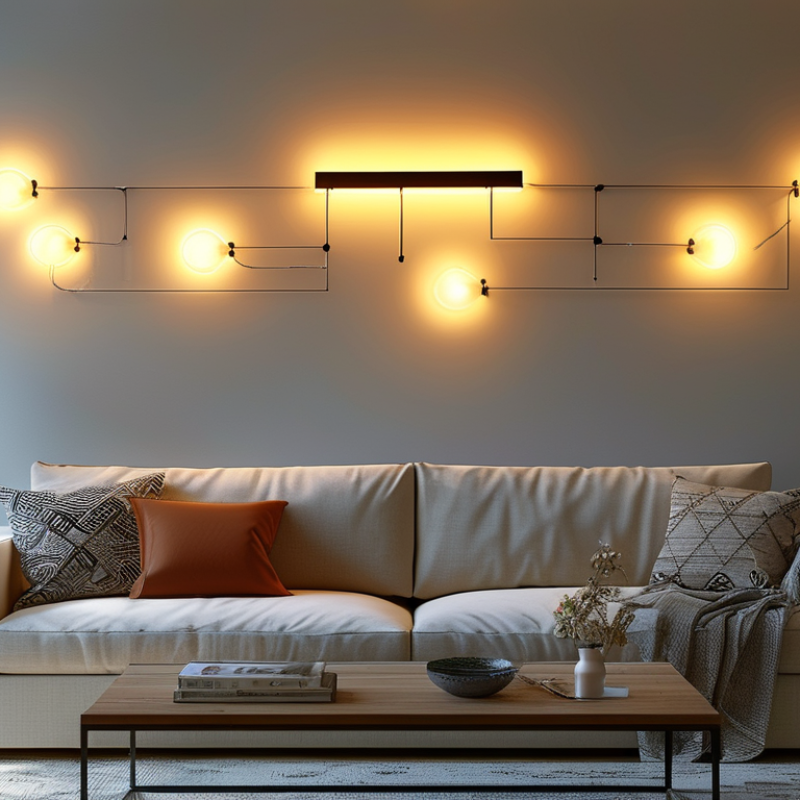
Flickering LED sconces can be frustrating. You expect them to shine brightly after installation. However, several common issues may cause the flickering. A loose connection is one primary reason. When wires are not tightly connected, it results in erratic power flow. This inconsistency makes the lights flicker intermittently.
Another factor to consider is incompatible dimmers. If you are using a dimmer switch designed for incandescent bulbs, it might not work well with LEDs. This mismatch can lead to flickering, and in some cases, the LED might not turn on at all. Additionally, voltage fluctuations in the electrical circuit can also create flickering problems. Old wiring or overloaded circuits might cause these fluctuations.
Sometimes, the issue lies with the LED sconce itself. Quality can vary greatly, and lower-quality bulbs may flicker more frequently. It's essential to choose reliable fixtures for long-term performance. If all else fails, consult an electrician. They can diagnose and resolve issues beyond your expertise. Be open to learning about electrical systems, as it can save you time and resources.
| Reason | Description | Possible Solutions |
|---|---|---|
| Incompatible Dimmer Switch | Using a dimmer that is not compatible with LED lights can cause flickering. | Replace with an LED-compatible dimmer switch. |
| Loose Wiring | Loose connections in the lighting fixture can lead to flickering. | Check and secure all wiring connections. |
| Voltage Fluctuations | Sudden changes in voltage from the electrical supply can cause flickering. | Consider using a voltage stabilizer or surge protector. |
| Inappropriate Bulb Type | Using incandescent or CFL bulbs in LED fixtures can result in flickering. | Use only LED-compatible bulbs. |
| Overheating | Excess heat can cause LEDs to flicker or malfunction. | Ensure proper ventilation and check for overheating. |
| Driver Issues | A malfunctioning LED driver can lead to flickering. | Replace the driver if necessary. |
| Incorrect Installation | Improper installation can cause connection issues. | Reinstall the sconce according to the manufacturer’s instructions. |
| Low Quality Bulbs | Cheap LED bulbs may not perform consistently. | Invest in higher quality LED bulbs. |
| Environmental Factors | Extreme temperatures can affect LED performance. | Install in appropriate environments and consider temperature control. |
: Voltage fluctuations occur due to changes in electrical load and wiring issues.
They can cause flickering and dimming, leading to inconsistent lighting quality.
Yes, inconsistent voltage can reduce the lifespan and performance of your LED sconce.
Regularly check for wiring issues and consider the use of voltage stabilizers.
Flickering lights often indicate poor connections or loose wires that need inspection.
Faulty connections can lead to flickering lights and potential fire hazards.
Using incompatible dimmer switches can cause instability and exacerbate flickering issues.
Regularly inspect for wear, secure connectors, and consult professionals if needed.
Compatibility among components ensures reliable performance and a flicker-free experience.
Ignoring flickering can lead to larger electrical problems and even safety hazards.
If you're wondering, "Why is my LED sconce flickering after installation?" there are several common causes to consider. A significant factor is the compatibility between LED bulbs and the fixtures themselves; mismatched components can lead to unstable performance. Additionally, voltage fluctuations in the electrical system can adversely affect the flickering of LED sconces. To ensure optimal performance, it's crucial to check the wiring connections, as poor connections can cause erratic lighting.
Another potential issue arises when using dimmer switches not designed for LED technology, which can result in instability in light output. By understanding these factors, homeowners can troubleshoot their flickering LED sconces and enjoy consistent and reliable lighting in their spaces.

 Glow Light