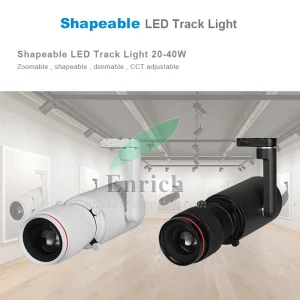
The global lighting industry is undergoing a paradigm shift from traditional fixed fixtures to flexible, modular, and smart-integrated systems. Magnetic Linear Lighting has emerged as the pinnacle of this evolution, particularly in commercial and high-end residential sectors. Unlike conventional track systems, magnetic linear lights utilize a low-voltage (typically DC48V) magnetic track that allows users to snap fixtures in and out without tools, ensuring unparalleled versatility in interior design.
In Europe and North America, luxury retailers and modern office spaces are adopting magnetic systems to reduce long-term maintenance costs and allow for seasonal lighting adjustments without electrical reworking.
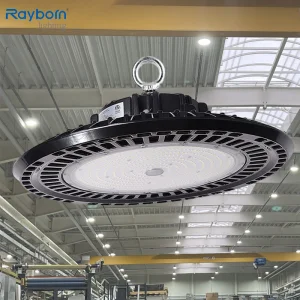
Modern factories are integrating magnetic linear systems to provide task-specific lighting that can be reconfigured as production lines evolve, emphasizing the "Information Gain" of adaptable infrastructure.
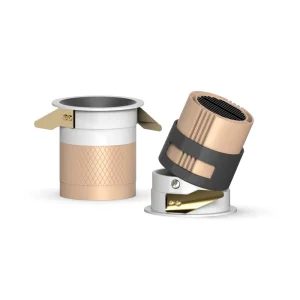
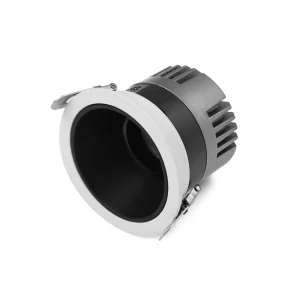
The "Invisible Lighting" trend is driving demand for recessed magnetic tracks that blend seamlessly into ceilings, providing high-CRI (Color Rendering Index) illumination without visual clutter.
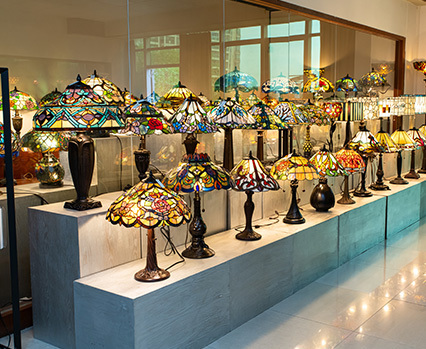
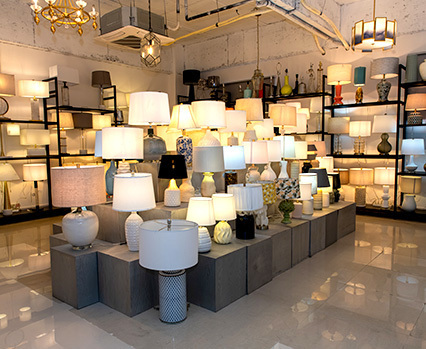
Established in 2002, Haining Glow Light Co., Ltd. represents the gold standard of Chinese lighting manufacturing. With over two decades of R&D and production excellence, we have pivoted our core competencies to meet the stringent demands of the Magnetic Linear Light market.
Our facility operates under the SEDEX 4P factory audit, ensuring that every product—from Tiffany stained glass to high-tech magnetic modules—is produced ethically and to the highest quality. Our core team consists of veterans with 10+ years of experience, bridging the gap between traditional craftsmanship and modern LED innovation.
Years Experience
Certifications
Quality Tested
Customization
China-based magnetic linear light factories benefit from a complete ecosystem—from aluminum extrusion and PCB surface mounting (SMT) to specialized magnetic component production. This proximity reduces lead times by 40% compared to international competitors.
Leading factories like Haining Glow Light prioritize CE, RoHS, and UL certifications. This isn't just about paperwork; it's about engineering products that handle electromagnetic interference (EMI) and thermal dissipation better than generic alternatives.
By leveraging automated production lines, Chinese factories provide high-end features—such as DALI dimming, Zigbee/Matter integration, and Tunable White (CCT) technology—at a fraction of the cost of European brands.
Used in living rooms and corridors to create dynamic "light scenes." Magnetic spotlights can be moved to highlight changing art collections or seasonal furniture layouts.
Visual merchandisers use magnetic linear lights to rapidly adjust focus as new collections arrive. The high CRI (>90) ensures product colors remain vibrant and true.
Integrating sensors within the magnetic track allows for automated brightness adjustment based on daylight harvesting, significantly reducing energy consumption.
Looking toward 2025-2030, the Magnetic Linear Light industry is moving toward Hyper-Personalization. This includes the integration of AI-driven lighting controllers that adapt to human circadian rhythms. Furthermore, the push for sustainability is leading factories to use recycled aluminum and modular designs that allow for the replacement of individual LED chips rather than the entire fixture, aligning with the "Right to Repair" movement in the EU.
CE certification ensures that the product meets EU safety, health, and environmental protection requirements. For magnetic systems, this specifically guarantees that the low-voltage track and magnetic connections are safe from electrical leakage and fire hazards.
Yes. That is the primary advantage. You can combine linear floodlights, spotlights, and pendant lights on a single track, provided the total wattage does not exceed the power supply's capacity (typically 100W, 150W, or 200W drivers).
High-quality magnetic linear lights from reputable factories like Haining Glow Light use premium OSRAM or CREE chips, offering a lifespan of over 50,000 hours with minimal lumen depreciation.
Most advanced factories offer a full-cycle OEM service, including 3D prototyping, thermal testing, and custom finish applications (black, white, gold, etc.) to match specific architectural designs.
While the lights "snap in" easily, the initial track installation requires professional electrical planning, especially for recessed versions that must be integrated into the drywall or ceiling structure during the construction phase.
 Glow Light