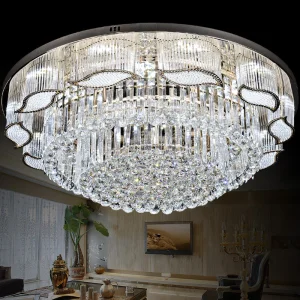
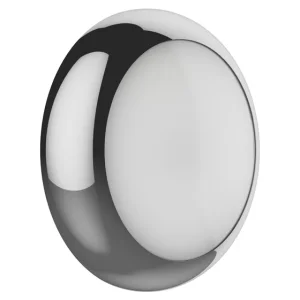
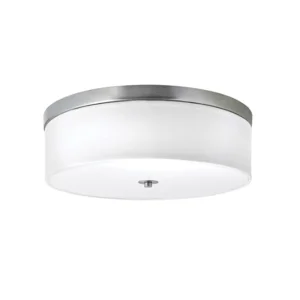
Providing Engineered, High-Efficacy LED Ceiling Luminaires Customized for Windhoek Commercial Developments and Sub-Saharan Grid Specifications.
Direct from our certified production facility to Namibia's fast-growing commercial and residential development zones.
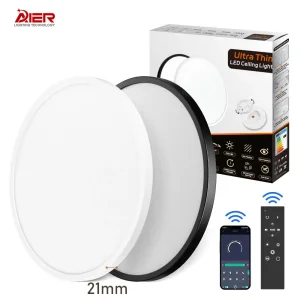
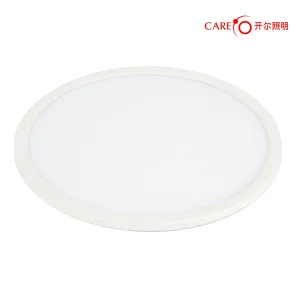
Namibia is undergoing a steady infrastructure transition, driven by private-sector residential estates, public projects under the Harambee Prosperity Plan, and major logistics expansions around Walvis Bay and Swakopmund. However, Sub-Saharan electrical installations face specific geographical challenges. System designs must account for voltage stability limitations, high ambient dust profiles, and severe coastal salt corrosion in western zones.
For electrical contractors, designers, and project managers in Windhoek and Okahandja, selecting the correct flush mount ceiling lights goes beyond aesthetic value. It requires careful analysis of luminous efficacy, driver durability under fluctuation, thermal dissipation in dry climates, and structural ingress protection (IP) ratings.
Luminaires installed in Namibia must withstand distinct regional environmental challenges:
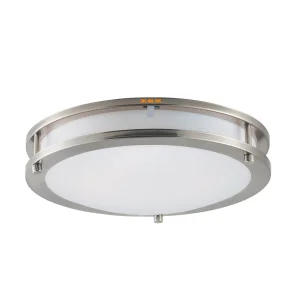
Industrial-grade moisture protection, premium aesthetics, and architectural linear systems optimized for Namibian projects.
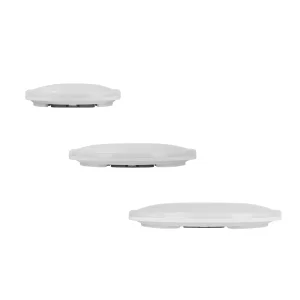
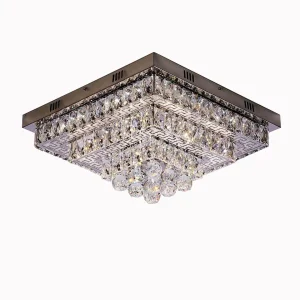
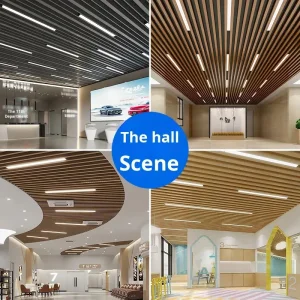
Procuring lighting direct from China offers significant cost advantages for Namibian developers, but shipping and quality control challenges can offset these benefits. Haining Glow Light Co., Ltd. addresses these issues through structured supply chain management, offering:
We manage direct ocean freight logistics from Ningbo and Shanghai ports to Walvis Bay, eliminating South African transshipment delays and reducing customs handling costs under SADC trade frameworks.
Our engineering team designs driver circuits specifically rated for 220V-240V with a wide tolerance margin to handle rural and metropolitan power quality issues across Namibia.
Our manufacturing facility is audited to SEDEX 4-Pillar standards, and our export products carry CE, RoHS, and UL/cUL certifications, ensuring easy customs clearance and compliance with municipal building codes.
We customize components with anti-UV acrylic diffusers to resist discoloration from high Namibian solar exposure and use rustproof hardware for coastal sites.
For public tenders and large-scale private developments in Namibia, supplier credibility is key. Our SEDEX 4P audit status ensures fair labor, environmental responsibility, and supply chain transparency. With 30 years of manufacturing experience, we help project managers avoid the risks of cheap, uncertified imports that fail prematurely and increase maintenance costs.
Established in 2002, Haining Glow Light Co., Ltd. is a specialized manufacturer integrating lighting design, research, development, and mass production. With over two decades of experience, we provide decorative and functional lighting solutions to global markets, with a focus on durability, safety, and efficiency.
Our production facilities utilize modern assembly and testing processes to verify every batch for thermal stability, insulation safety, and luminous consistency. Our engineers hold over 10 years of experience, enabling us to adapt products to specific regional requirements.
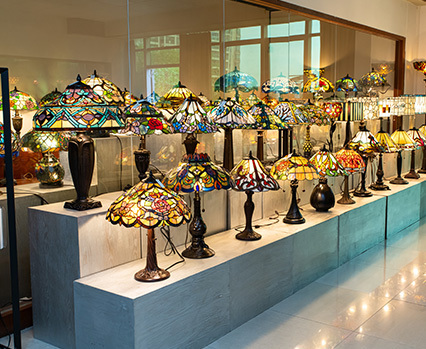
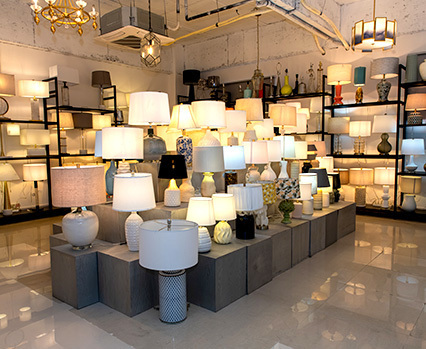
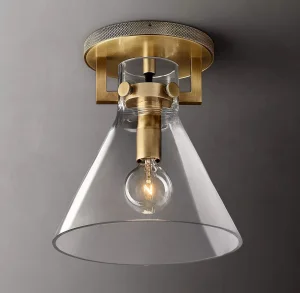
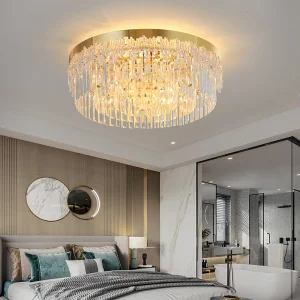
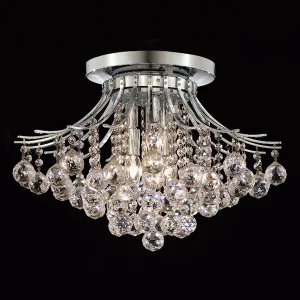
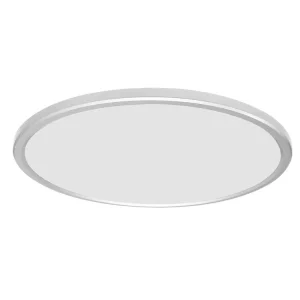
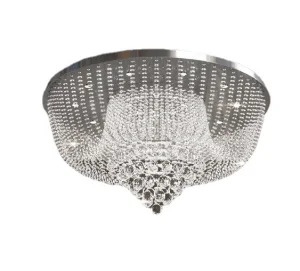
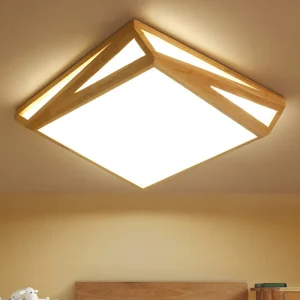
A comprehensive range of certified ceiling fixtures designed for office fit-outs, hospitality projects, and residential developments.
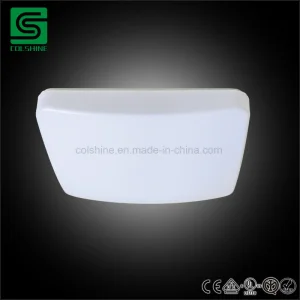
Technical guidance for architects, procurement managers, and electrical engineers importing lighting into Namibia.
 Glow Light